

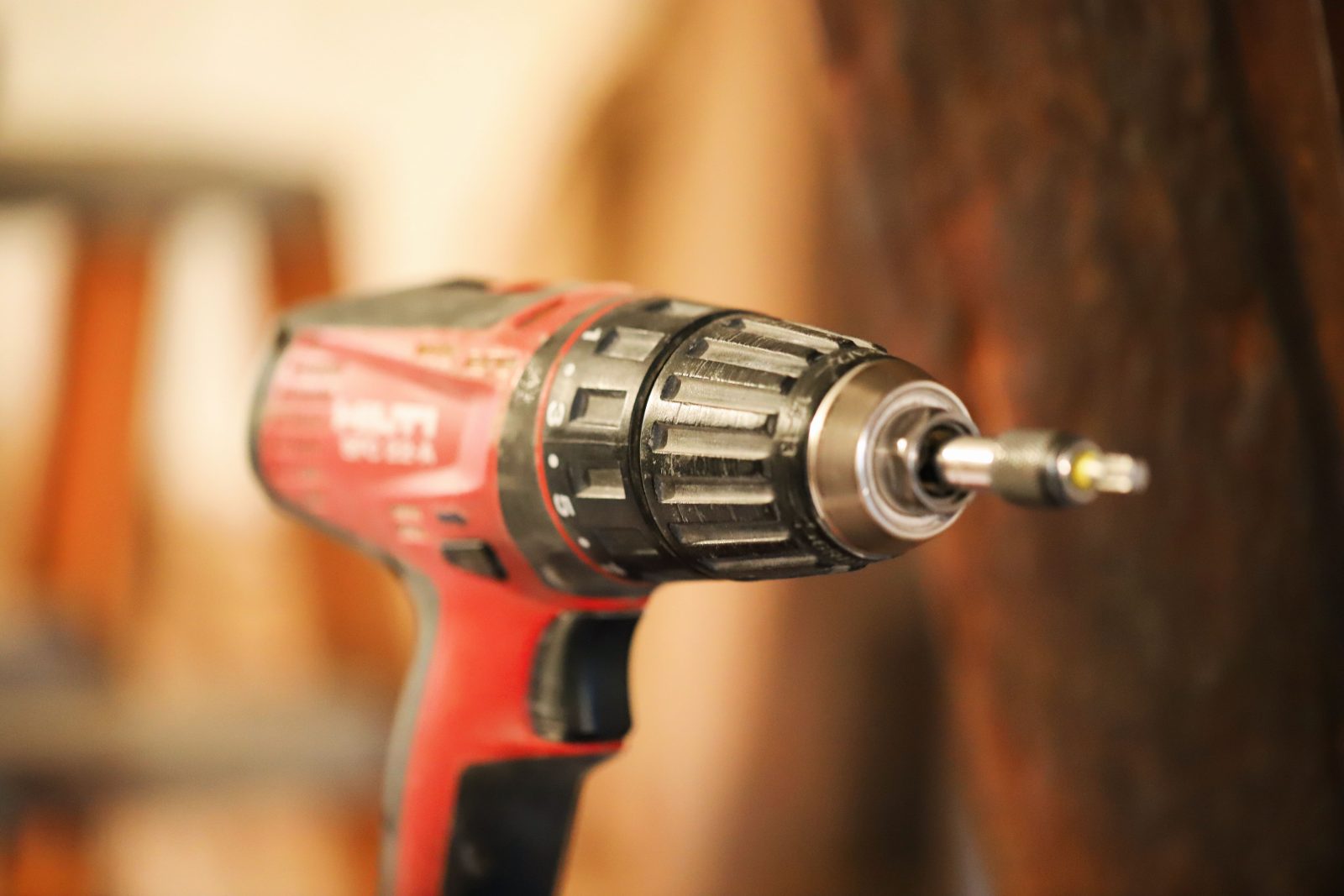
Have you ever found yourself stuck between choosing Ryobi or Craftsman cordless tools for your DIY projects?
Understanding the nuances between these two popular brands can significantly influence your DIY outcomes and experiences. This comparison will delve into Ryobi vs. Craftsman cordless tools to help you decide which brand better empowers your home improvement projects, tailoring to different levels of expertise, budgets, and specific needs.
Quick Overview of Ryobi and Craftsman Cordless Tools
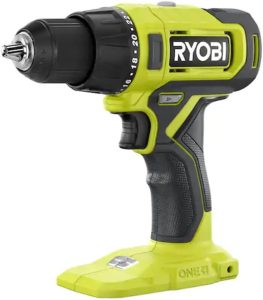
Ryobi Tools:
- Known for their innovation in modular tool systems.
- Widely recognized for their distinctive green color.
- Generally favored for personal, light-to-medium duty tasks around the home.
Craftsman Tools:
- Notable for their durability and performance.
- Traditionally colored in red and black.
- Often preferred for heavier-duty DIY projects and some professional applications.
Who are these Products Designed for?
Ryobi caters mostly to homeowners and hobbyists who need reliable, affordable tools for occasional repairs and weekend projects.
Craftsman, while also suitable for home use, bridges the gap between amateur DIY enthusiasts and professional tradespeople with its robust build and enhanced features.
Side-by-Side Comparison Table
| Feature | Ryobi | Craftsman |
|---|---|---|
| Battery Platform | 18V ONE+ System | V20 Cordless System |
| Build Quality | Lightweight, ergonomic designs | Sturdy construction, heavier |
| Performance | Good for light to medium tasks | Excels in more demanding projects |
| Price Range | More budget-friendly | Slightly higher; reflects durability |
Design and Build Quality
Ryobi tools are designed with the casual user in mind, featuring user-friendly interfaces and lighter constructions which make the tools easily manageable. Craftsman tools, on the other hand, boast a sturdier build suited to withstand more rigorous use, reflecting their appeal to those who might push their tools to the limits.
Features Comparison
Both brands offer keyless chucks, variable speed triggers, and LED lights on many of their cordless drills and drivers, but Craftsman often incorporates additional enhancements such as more robust gear systems and longer battery life under strenuous use.
Performance Comparison
Ryobi tools perform admirably for most household tasks, from assembling furniture to handling basic carpentry work. Craftsman tools, with their more powerful motors and higher torque settings, are better suited for tougher jobs like driving screws through hard materials or prolonged cutting tasks.
Comfort and Ease of Use
Ryobi scores high on ergonomics, making their tools lighter and easier to handle for extended periods without fatigue. Craftsman tools, while heavier, provide a sense of control and balance that experienced users might appreciate during more complex tasks.
Durability and Reliability
Craftsman’s tools are renowned for their longevity and ability to endure the wear and tear of frequent, heavy use. Ryobi, while durable, is best maintained within the sphere of light-to-medium DIY tasks to maximize tool life.
Maintenance and Warranty
Both brands offer competitive warranties and have good customer service reputations. Ryobi typically provides a 3-year limited warranty, whereas Craftsman offers a varying warranty length, but some tools are covered for life, adding peace of mind for the buyer.
Price and Value for Money
Ryobi is often more wallet-friendly, making it a great entry point for beginners or those needing a comprehensive set of tools without a hefty price tag. Craftsman’s slightly higher prices are justified by the enhanced durability and capabilities offered, which might provide better value for regular, intense use.
Pros and Cons of Each Product
Ryobi Pros:
- Affordable
- User-friendly
- Wide range of tools within the ONE+ System
Ryobi Cons:
- Less suited for heavy-duty tasks
Craftsman Pros:
- High durability
- Optimal for rigorous use
- Broad warranty coverage
Craftsman Cons:
- Generally more expensive
- Heavier tools
Which Product is Best for Beginners
For beginners, Ryobi is generally the better choice due to its ease of use, affordability, and adequate performance for most basic DIY tasks.
Which Product is Best for Advanced Users
Advanced users tackling more demanding projects might prefer Craftsman for its robust build and superior power.
Which Product Offers the Best Value
For casual DIYers or those on a budget, Ryobi offers the best value with its cost-efficiency and good performance. Craftsman, meanwhile, is a worthy investment for those looking for tools to last longer and perform better under tough conditions.
Common Mistakes Buyers Make
- Overestimating needs: Buying heavier-duty tools when lighter tools would suffice.
- Under-budgeting: Opting for cheaper but less suitable tools which may not last long under frequent use.
Frequently Asked Questions (FAQ)
Q1: Can batteries from one brand be used on the other brand’s tools?
A: No, each brand has its system. Ryobi uses the ONE+ battery system, and Craftsman uses the V20 battery system.
Q2: Are these tools suitable for professional construction work?
A: Craftsman tools are more suitable than Ryobi for professional use, although there are more specialized professional brands available.
Final Verdict: Which Should You Buy?
For Home Use & Beginners: Ryobi offers everything necessary for home projects and light tasks without overspending.
For Regular DIYers & Budget-Conscious Buyers: Ryobi provides good value with sufficient functionality for most domestic chores.
For Heavy-Duty Tasks & Long-Term Investment: Craftsman’s durability and power make it ideal for more demanding projects and frequent use.
Whether choosing Ryobi or Craftsman, understanding your specific needs and project demands will guide you to the best tool choice. Both brands hold their merits, but aligning their strengths with your requirements will ensure satisfaction and project success.