

Have you ever found yourself in a situation where a loose screw or a wobbly table leg needed fixing, but you couldn’t find the right tool to get the job done? Starting your journey into the DIY world or just looking to keep your home in tip-top shape can feel daunting without the right tools. Lucky for you, putting together a toolkit with essential home tools for beginners doesn’t have to be complicated. Here’s how you can discover the must-have implements for any starter toolkit.
The Toolbox Basics
When you’re starting out, the array of tools available at your local hardware store can be overwhelming. But here’s a secret: you only need a few essential tools to handle most basic home repair tasks. Let’s break down what these tools are and why they deserve a spot in your starter toolkit.
1. Hammer
A good hammer is like a best friend—always helpful and reliable. It’s perfect for tasks like hanging pictures or assembling furniture. You want one that feels balanced and comfortably heavy in your hand but not so heavy that it’s tiring to use.
2. Screwdrivers
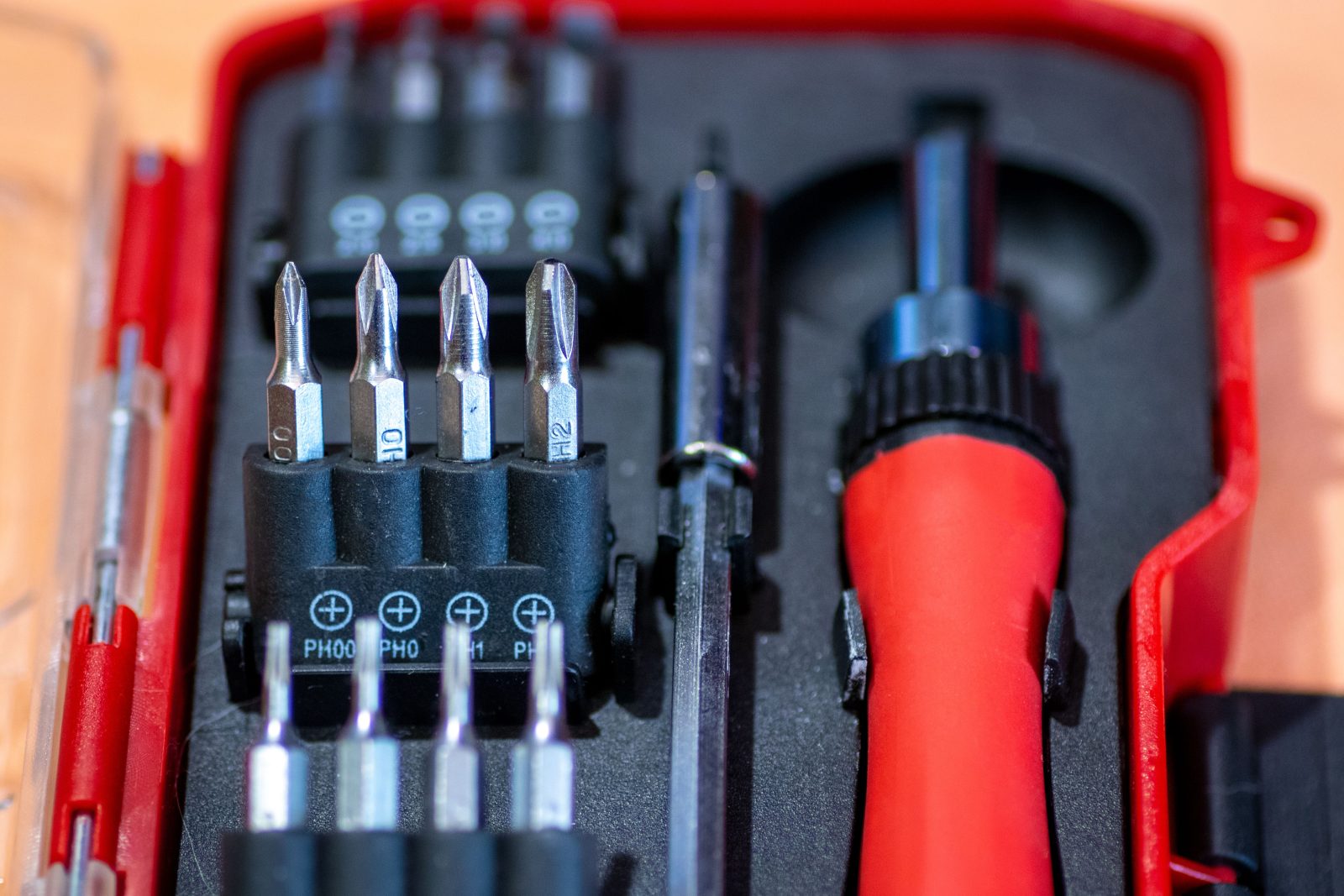
You’ll need both a flathead and a Phillips screwdriver. These are indispensable for tasks like tightening drawer handles or assembling kids’ toys. Consider buying screwdrivers with magnetic heads; they make it easier to handle tiny screws.
3. Measuring Tape
“Measure twice, cut once” is wise advice. A retractable measuring tape is your go-to tool for measuring spaces for furniture, curtains, or any project where accuracy is crucial.
4. Pliers
Pliers are great for gripping things firmly when you need more strength than your fingers can provide. They come in handy when you’re trying to pull out something stubborn like a nail or bend heavy wire.
5. Wrench
A wrench is another must-have tool. It’s mainly used for tightening or loosening bolts and nuts. A set of adjustable wrenches ensures you have the right size for different tasks.
6. Utility Knife
For all your cutting needs—from opening boxes to trimming wallpaper—a sharp utility knife does the job. Always handle it with care and keep it stored safely.
7. Level
Ever hung a shelf only to realize it’s slightly tilted? A level ensures that doesn’t happen. It’s essential for ensuring everything from picture frames to TVs are perfectly horizontal or vertical.
Additional Helpful Tools
While the tools listed above cover basic tasks, a few more items can be very helpful as you become more comfortable with home repairs.
8. Flashlight
A good flashlight is crucial for seeing into dark corners or when the power goes out. It’s also indispensable when you’re trying to work on something in poorly lit areas.
9. Electric Drill
An electric drill might seem intimidating at first, but it’s incredibly useful. It can be used for drilling holes or driving screws quickly and powerfully. Start with a simple, cordless model—it’s easier to handle and move around with.
10. Tape
Duct tape and painter’s tape are both worth having on hand. Duct tape for quick fixes—like temporarily patching up a broken window—while painter’s tape is great for ensuring clean lines when painting.
FAQs about Essential Home Tools for Beginners
Q1: What should I keep in mind when buying tools?
A1: Look for tools that feel sturdy but comfortable in your hand. It’s often worth spending a bit more for quality that will last and perform better.
Q2: How should I store my tools?
A2: Keep your tools in a dry place to avoid rust. A toolbox or a drawer dedicated to your tools is ideal. This keeps them organized and easy to find.
Q3: Are there any safety tips I should follow?
A3: Yes, always wear protective gear like gloves or goggles when necessary. Be sure to read and follow the safety instructions that come with power tools, and keep sharp tools out of the reach of children.
Conclusion
Building your set of essential home tools for beginners doesn’t have to be an overwhelming task. Start with the basic tools listed above, and you’ll be well-prepared to tackle most common household tasks. Remember, the best toolkit is the one that fits your specific needs. Don’t be afraid to start small—you can always add more tools as your skills grow and your projects become more complex. Happy fixing!