

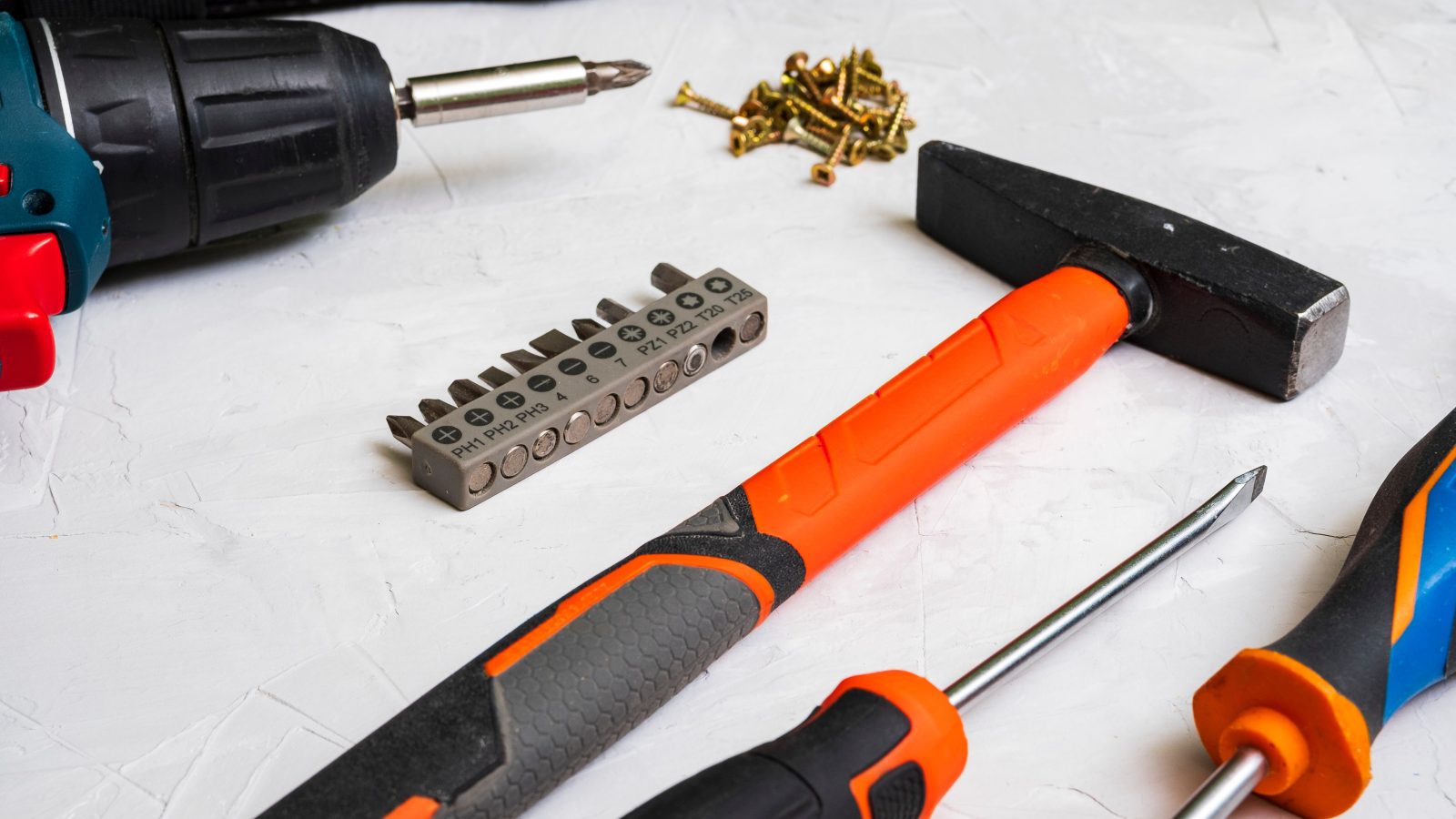
Have you ever tried to hang a picture only to find it’s not quite straight? It might be a small task, but with the right tools, it becomes a breeze. Welcome to the Ultimate Guide to Measuring Tools for Home Improvement Explained, where you’ll learn about simple tools that can make a huge difference in your DIY projects!
Home improvement may sound like it’s reserved for the experts, but with just a few basic tools, anyone can become a handy helper around the house. Whether you’re trying to hang a picture, install a shelf, or even put together a new bookcase, knowing how to measure properly is key. In this guide, we’ll walk through some of the most common and helpful measuring tools that you should consider having in your toolbox.
1. Tape Measure
This is probably the tool you think of first when you hear the words ‘measuring tools’. A tape measure can pull out a long strip (usually metal) marked with lines and numbers. These numbers help you understand how long or wide something is. It’s perfect for figuring out if your new couch will fit in the living room or if you have enough space on your wall for a new painting.
2. Level
Ever put up a shelf only to step back and see that it’s tilting? A level is your solution! It has a small bubble inside a liquid-filled tube, placed between two lines. When the bubble is right in the middle, you know your surface is perfectly horizontal or vertical. This tool is super handy for making sure your frames and cabinets are straight.
3. Ruler and Yardstick
Similar to a tape measure, rulers and yardsticks are great for shorter distances. They are usually made of wood, plastic, or metal and feature marks for inches and centimeters. These are ideal for craft projects, small builds, or even measuring spaces for furniture.
4. Laser Measure
When you need to measure very long distances, especially across rooms, a laser measure can be incredibly helpful. Just point the laser at one end of the area you’re measuring, hit a button, and it tells you the distance almost instantly. It’s like having a super power in your hand!
5. Speed Square
This tool might not look like your typical measuring tool, but it’s perfect for more complex projects. A speed square helps you make sure angles (like corners) are perfect and can also be used to measure short lengths. It’s particularly useful if you’re working with wood.
6. Caliper
For really detailed projects, like model building or fixing appliances, a caliper can measure small spaces very accurately. It looks a bit like a wrench and can tell you the exact distance between two opposite sides of an object.
Frequently Asked Questions
Q: Why do I need different types of measuring tools?
A: Each tool is specially designed for certain types of measurements. For instance, a tape measure is good for long and flexible measurements, while a ruler is better for short and straight measures.
Q: Can I use my phone as a measuring tool?
A: Yes, many smartphones have apps that use the camera to estimate distances. However, for more accuracy, especially in home improvement projects, traditional tools are recommended.
Q: What’s the most important tool to have at home?
A: A tape measure is probably the most versatile and essential tool for various home projects. Start with that!
Conclusion
Measuring tools might seem a bit boring, but they are the heroes of home improvement. They make sure that the little details are perfect, which makes your whole project look better. Remember, the right measurement can make or break a DIY task, so it’s important to choose and use your tools wisely. Whether you’re planning a major renovation or just doing small fixes around the house, this ultimate guide to measuring tools for home improvement explained should help you get started. Happy measuring!
With these basic tools in your hand, you’re ready to tackle just about any home improvement project you can think of. So grab your tape measure, and let’s make those home improvements a success!